
Grieving at Christmas: How to Get Through It
Grieving at Christmas can feel harder than any other time of year, when everyone else seems to be celebrating. If someone you love has died, or you’re grieving a relationship, a pregnancy, a job or a life you thought you’d have, the holiday season can bring it all to the surface. The music, the shops and the questions about plans can feel like a spotlight on what’s missing.
If that’s you, you’re not doing it wrong, and you don’t have to pretend. Here are some thoughtful ideas for getting through it, from someone who sits with people in grief every week.
Why grieving at Christmas can feel so heavy
Grief doesn’t keep a calendar, but Christmas gives it plenty to hold onto. Christmas is a time that comes steeped in years of tradition, and in my experience that is what makes grief all the more pronounced at this time.
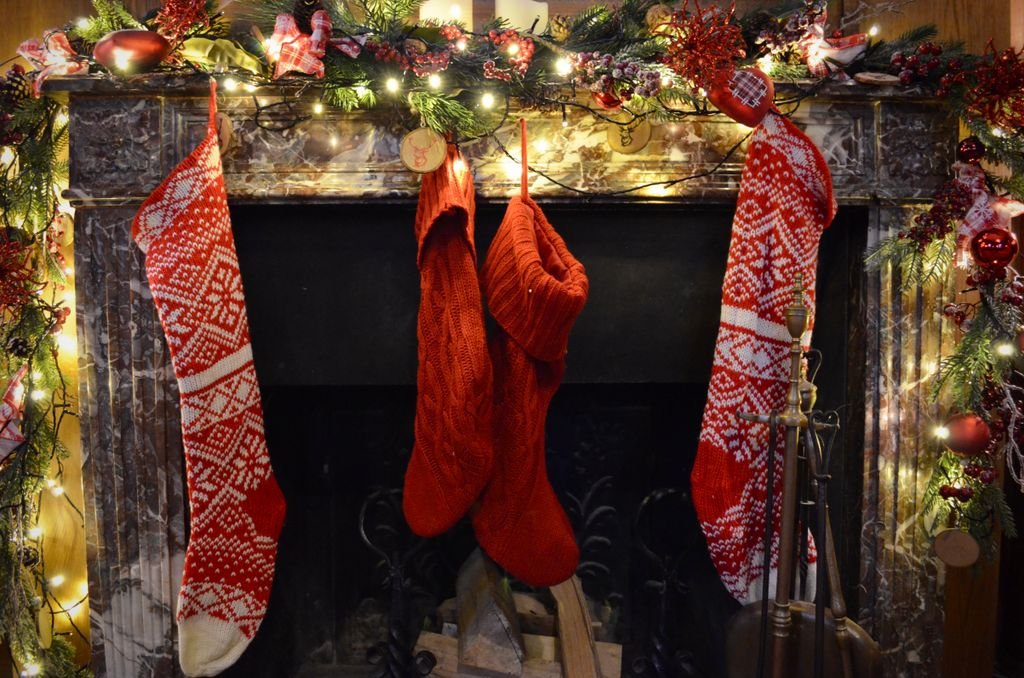
A shared Christmas meal suddenly feels incomplete because your loved one’s favourite recipe is missing, or there is an empty chair at the table, and the size of the pile of Christmas presents under the tree feels all wrong. Each one of these announces itself loudly and feels like losing your loved one all over again.
In Perth, there’s another layer to grieving at Christmas. Christmas often means heat, beaches, long days and big gatherings, and it can feel strange to be grieving in the middle of summer light.
It’s also common to dread the lead-up more than the day itself. Many people find that anticipating it is harder than the day turns out to be, though that isn’t true for everyone.
Be gentle with your expectations
You don’t have to make this Christmas perfect, or even good. A useful question is: “What do I need to get through grieving at Christmas?” rather than “What should I be doing?”
It can help to:
- Plan, but keep it flexible. Decide what you’d like to do, and give yourself permission to change your mind on the day.
- Choose what to keep and what to let go of. You might keep the traditions that comfort you, change the ones that hurt, and skip the rest. There’s no rule that says it has to look the same as last year.
- Say what you need. Tell the people you’ll be with what would help, whether it’s “I might need to step outside” or “please say their name”.
- Have an exit plan. Drive yourself, or agree on a signal, so you can leave if it gets too much.
Making room for the person you’re missing
Many people worry that mentioning the person who died will upset everyone. Often, the opposite is true. Others are afraid of saying the wrong thing, and it can be a relief when someone says their name.
When you are grieving at Christmas, some things you might consider doing:
- Light a candle or set a favourite photo somewhere visible.
- Share a story or a memory at the table.
- Make their favourite dish, or play their favourite song.
- Write them a letter or a card.
- Do something in their honour, such as a donation or a walk at the beach.
There’s no right way to remember someone, and what feels right can change from year to year.
A composite example
This is a composite example, with names and details changed.
Margaret’s mother died in March. Her parents had always hosted Christmas lunch, a big affair with all the family together and her mother’s favourite Christmas chicken recipe. As December approached the family all began looking to Margaret to take over hosting the family lunch and she felt trapped between not wanting to take what she felt was “her mother’s place” and feeling guilty about not meeting her families’ expectations.
Margeret came to see me at The Beach Haven Counselling in Clarkson, where I work with clients dealing with all types of grief. We worked together to understand Margaret’s conflicting feelings. Stepping into what she felt were her mother’s well-worn shoes and pretending Christmas could just go on as always was too much for Margaret. She felt it didn’t honour the huge role her mother played in her life and felt like she was forgetting her.
We talked through options and what felt most authentic to her. When Margaret said she wanted to go to a restaurant for lunch, we spent time working through how she could broach the subject with her family, and in what ways she and the family could keep her mother’s presence alive at the restaurant events.
Christmas was still a hard day for Margaret and that is absolutely to be expected, but she shared that while it was hard, she felt like she was able to honour her mother and her own grief.
When grief and other changes collide
Grieving at Christmas can be about more than just a loss resulting from death. It might be after a separation, a first Christmas without the children, or an estranged family. It might be the end of a hope, such as a pregnancy that didn’t last. These losses are real, even when they don’t get the same recognition as a death, and they deserve the same kindness.
If you’re grieving while someone you love is seriously ill, that has its own particular weight. The weight of anticipating this to be a last Christmas together can be overwhelming and create an extraordinary amount of pressure to “get things perfect.”
Looking after yourself
Grieving at Christmas is particularly tough and asks for more energy than usual. Small things matter:
- Sleep, food and water, even when you don’t feel like it.
- Time outside, if you can manage it. A short walk helps some people.
- Time alone, as well as time with people.
- Saying no to things that aren’t essential.
- Being kind to yourself about what you didn’t manage.
When it’s more than Christmas
Most grief is a natural response to loss, and most people don’t need counselling to get through it. But it may help to talk to someone if:
- The feelings are overwhelming and aren’t easing over time.
- You’re finding it hard to function, sleep or eat.
- You feel stuck, or you’re replaying events, especially after a sudden or traumatic loss.
- You’re using alcohol or other things to cope.
- You feel you can’t talk to anyone around you.
Counselling isn’t about getting over it or moving on. In our grief counselling sessions at The Beach Haven in Clarkson, we create space for your feelings and talk about ways to cope with the grief you are carrying.
Grief will come in waves that feel overwhelming at times, and softer at other times. That is natural, finding ways to cope and hang on through the waves of grief that threaten to drown you, that is where grief counselling can help. If you’d like support, you can read more about grief counselling in Clarkson, or book a session when you’re ready. We provide both in-person and online counselling sessions.
If you’re struggling right now: if you’re in crisis or having thoughts of harming yourself, please call Lifeline on 13 11 14 (24 hours), or 000 in an emergency.
Common questions
Is it normal to feel worse at Christmas? Yes. Many people find that Christmas, birthdays and anniversaries bring grief back strongly, even years after a loss.
Should I go to Christmas gatherings if I’m grieving? There’s no right answer. Some people find company helps, and others need quiet. You can go for a short time, or say no. It’s your decision.
What should I say to someone who is grieving at Christmas? Keep it simple and kind. “I’m thinking of you” or “I’m thinking of [name]” is often enough, and you don’t have to fix anything.
About the author
Tracy Rattray is a Registered Counsellor (ACA) and the owner of The Beach Haven in Clarkson. She has in-depth grief training under world-renowned grief expert David Kessler and is a certified end-of-life doula. Tracy is deeply passionate about supporting those who are grieving and those who are navigating the end-of-life. She supported clients in the hospice setting in the USA for a number of years before returning to Perth, Australia in 2025 to set up The Beach Haven in Clarkson – a private counselling practice supporting couples and individuals coping with grief and loss.