
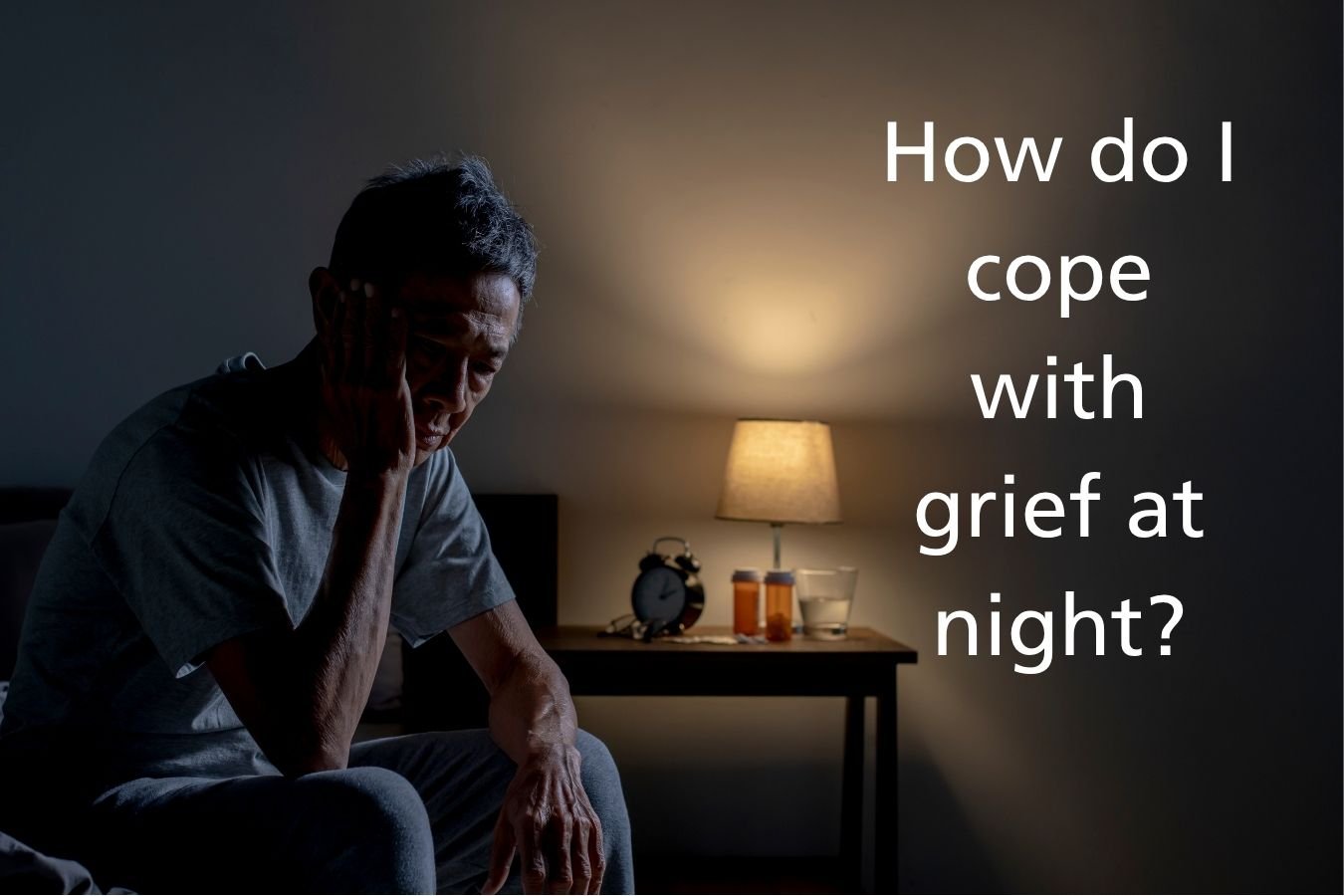
I can’t sleep – how do I cope with grief at night?
When you are grieving, night-time can feel especially hard. During the day, there may be distractions, responsibilities, and other people around. But at night, when things become quiet, grief often feels louder.
You may find it hard to fall asleep, wake frequently, or lie awake with racing thoughts. Some people replay final conversations, hospital moments, or things they wish they had said. Others feel a heavy sense of emptiness as soon as the house becomes still.
If this is happening to you, you are not alone. Sleep problems are very common in grief. Loss can affect the nervous system, increase anxiety, and make it harder for the mind and body to settle.
Why grief can make sleep so difficult
Grief affects more than emotions. It can also affect your body, concentration, appetite, energy, and sense of safety. At night, when there is less to focus on, the mind often has more room to wander.
You may notice:
- trouble falling asleep
- waking in the early hours
- vivid dreams
- replaying memories or final moments
- anxiety as bedtime approaches
- a sense of dread, loneliness, or emptiness at night
This does not mean something is wrong with you. It means your system is responding to loss.
Why nights can feel heavier than days
Many grieving people say the evenings are the hardest part. This can happen for a few reasons.
During the day, you may be busy with work, family, errands, or practical tasks. At night, there is less distraction. The quiet can make the absence feel sharper.
Bedtime can also bring up:
- loneliness
- fear
- unfinished thoughts
- memories of routines you once shared
- worry about tomorrow
If you used to text, talk, sleep beside, or care for the person who has died, night-time may carry an extra layer of grief.
Start by lowering the pressure around sleep
One of the kindest things you can do is reduce the pressure to sleep perfectly.
When people cannot sleep, they often become anxious about not sleeping. That anxiety can make it even harder to rest. Instead of asking, Why can’t I sleep like normal? it may help to ask, What would help me feel a little safer and calmer tonight?
The goal may not be perfect sleep right away. The goal may simply be creating conditions that support rest.
Gentle ways to cope with grief at night
Keep the evening simple
Try not to expect too much from yourself late in the day. If possible, reduce stimulating tasks, difficult conversations, or emotionally heavy decisions close to bedtime.
A simple evening rhythm may help, such as:
- dimming lights
- having a warm drink
- taking a shower
- listening to calming music
- reading something gentle
- sitting quietly for a few minutes before bed
It does not need to be a perfect routine. It just needs to feel steady and manageable.
Give your thoughts somewhere to go
If your mind becomes busy as soon as you lie down, it can help to get thoughts out of your head and onto paper.
You might keep a notebook beside the bed and write down:
- what is on your mind
- what you are worrying about
- anything you need to remember tomorrow
- one feeling you are carrying tonight
This can help create a little space between you and the thoughts.
Try a simple grounding practice
If grief or anxiety feels intense at night, grounding can help bring you back to the present moment.
A very simple practice is:
- name 5 things you can see
- name 4 things you can feel
- name 3 things you can hear
- name 2 things you can smell
- name 1 thing you can taste
This will not remove grief, but it can help settle the nervous system enough to rest.
Focus on rest, not only sleep
If sleep is not coming, it may help to shift the goal from I must sleep now to I will let my body rest.
Rest can still be valuable, even if you are awake for a while. Gentle breathing, lying still, listening to a calming voice, or placing a hand on your chest can all support the body.
Create a small night-time comfort ritual
Some people find comfort in doing one small, meaningful thing before bed.
This might be:
- lighting a candle safely earlier in the evening
- looking at a photo
- saying goodnight out loud
- holding a meaningful object
- reading a comforting passage
- placing a journal by the bed
A simple ritual can help acknowledge the grief rather than fight it.
Be gentle with what your body needs
Grief is exhausting. If your sleep is disrupted, your energy may be lower than usual during the day.
Where possible, try to:
- reduce non-essential demands
- eat regular meals
- get some daylight in the morning
- move your body gently
- limit too much caffeine late in the day
- accept that your capacity may be different for a while
This is not about doing everything right. It is about supporting yourself in small, realistic ways.
When sleep problems may need extra support
Sometimes sleep difficulties in grief settle gradually. At other times, they become persistent and start affecting your mental health, physical health, or ability to function.
It may help to seek support if:
- you are sleeping very little for a prolonged period
- night-time anxiety feels intense or unmanageable
- you are having repeated distressing images or memories
- exhaustion is affecting daily life
- you feel overwhelmed and unable to cope
Grief counselling can help you process what is coming up at night and find gentle ways to feel more supported.
A gentle reminder
If nights feel hard right now, that does not mean you are doing grief badly. Night-time often makes loss feel louder.
For now, the aim may not be to fix everything. It may simply be to make the nights feel a little softer, a little safer, and a little less lonely.
Sometimes that begins with one small step: a notebook by the bed, a slower evening, a grounding exercise, or permission to rest without pressure.
FAQ
Is it normal to have trouble sleeping after a loss?
Yes. Difficulty sleeping is very common in grief. Loss can affect the nervous system, increase anxiety, and make it harder to settle at night.
Why is grief worse at night?
Many people find grief feels heavier at night because there are fewer distractions and more quiet space for thoughts, memories, and loneliness to surface.
What can I do if my mind races at bedtime?
Writing down your thoughts, using a grounding exercise, and focusing on rest rather than perfect sleep can help.
When should I get help for grief and sleep problems?
If sleep problems are ongoing, distressing, or affecting your ability to function, grief counselling or additional professional support may help.
When you are grieving, night-time can feel especially hard and leave you wondering “how do I cope with grief at night?”. During the day, there may be distractions, responsibilities, and other people around. But at night, when things become quiet, grief often feels louder.
You may find it hard to fall asleep, wake frequently, or lie awake with racing thoughts. Some people replay final conversations, hospital moments, or things they wish they had said or done. Others feel a heavy sense of emptiness as soon as the house becomes still.
If this is happening to you, you are not alone. Sleep problems are very common in grief. Loss can affect the nervous system, increase anxiety, and make it harder for the mind and body to settle.
Why grief can make sleep so difficult
Grief affects more than emotions. It can also affect your body, concentration, appetite, energy, and sense of safety. At night, when there is less to focus on, the mind often has more room to wander.
You may notice:
- trouble falling asleep
- waking in the early hours
- vivid dreams
- replaying memories or final moments
- anxiety as bedtime approaches
- a sense of dread, loneliness, or emptiness at night
This does not mean something is wrong with you. It means your system is responding to loss.
Why nights can feel heavier than days
Many grieving people say the evenings are the hardest part. This can happen for a few reasons.
During the day, you may be busy with work, family, errands, or practical tasks. At night, there is less distraction. The quiet can make the absence feel sharper.
Bedtime can also bring up:
- loneliness
- fear
- unfinished thoughts
- memories of routines you once shared
- worry about tomorrow
If you used to text, talk, sleep beside, or care for the person who has died, night-time may carry an extra layer of grief.
Start by lowering the pressure around sleep
One of the kindest things you can do is reduce the pressure to sleep perfectly.
When people cannot sleep, they often become anxious about not sleeping. That anxiety can make it even harder to rest. Instead of asking, Why can’t I sleep like normal? it may help to ask, What would help me feel a little safer and calmer tonight?
The goal may not be perfect sleep right away. The goal may simply be creating conditions that support rest.
Gentle ways to cope with grief at night
Keep the evening simple
Try not to expect too much from yourself late in the day. If possible, reduce stimulating tasks, difficult conversations, or emotionally heavy decisions close to bedtime.
A simple evening rhythm may help, such as:
- dimming lights
- having a warm drink
- taking a shower
- listening to calming music
- reading something gentle
- sitting quietly for a few minutes before bed
It does not need to be a perfect routine. It just needs to feel steady and manageable.
Give your thoughts somewhere to go
If your mind becomes busy as soon as you lie down, it can help to get thoughts out of your head and onto paper.
You might keep a notebook beside the bed and write down:
- what is on your mind
- what you are worrying about
- anything you need to remember tomorrow
- one feeling you are carrying tonight
This can help create a little space between you and the thoughts.
Try a simple grounding practice
If grief or anxiety feels intense at night, grounding can help bring you back to the present moment.
A very simple practice is:
- name 5 things you can see
- name 4 things you can feel
- name 3 things you can hear
- name 2 things you can smell
- name 1 thing you can taste
This will not remove grief, but it can help settle the nervous system enough to rest.
Focus on rest, not only sleep
If sleep is not coming, it may help to shift the goal from I must sleep now to I will let my body rest.
Rest can still be valuable, even if you are awake for a while. Gentle breathing, lying still, listening to a calming voice, or placing a hand on your chest can all support the body.
Create a small night-time comfort ritual
Some people find comfort in doing one small, meaningful thing before bed.
This might be:
- lighting a candle safely earlier in the evening
- looking at a photo
- saying goodnight out loud
- holding a meaningful object
- reading a comforting passage
- placing a journal by the bed
A simple ritual can help acknowledge the grief rather than fight it.
Be gentle with what your body needs
Grief is exhausting. If your sleep is disrupted, your energy may be lower than usual during the day.
Where possible, try to:
- reduce non-essential demands
- eat regular meals
- get some daylight in the morning
- move your body gently
- limit too much caffeine late in the day
- accept that your capacity may be different for a while
This is not about doing everything right. It is about supporting yourself in small, realistic ways.
When sleep problems may need extra support
Sometimes sleep difficulties in grief settle gradually. At other times, they become persistent and start affecting your mental health, physical health, or ability to function.
It may help to seek support if:
- you are sleeping very little for a prolonged period
- night-time anxiety feels intense or unmanageable
- you are having repeated distressing images or memories
- exhaustion is affecting daily life
- you feel overwhelmed and unable to cope
Grief counselling can help you process what is coming up at night and find gentle ways to feel more supported.
A gentle reminder
If nights feel hard right now, that does not mean you are doing grief badly. Night-time often makes loss feel louder.
For now, the aim may not be to fix everything. It may simply be to make the nights feel a little softer, a little safer, and a little less lonely.
Sometimes that begins with one small step: a notebook by the bed, a slower evening, a grounding exercise, or permission to rest without pressure.
FAQ
Is it normal to have trouble sleeping after a loss?
Yes. Difficulty sleeping is very common in grief. Loss can affect the nervous system, increase anxiety, and make it harder to settle at night.
Why is grief worse at night?
Many people find grief feels heavier at night because there are fewer distractions and more quiet space for thoughts, memories, and loneliness to surface.
What can I do if my mind races at bedtime?
Writing down your thoughts, using a grounding exercise, and focusing on rest rather than perfect sleep can help.
When should I get help for grief and sleep problems?
If sleep problems are ongoing, distressing, or affecting your ability to function, grief counselling or additional professional support may help.